20 Beehive Plans
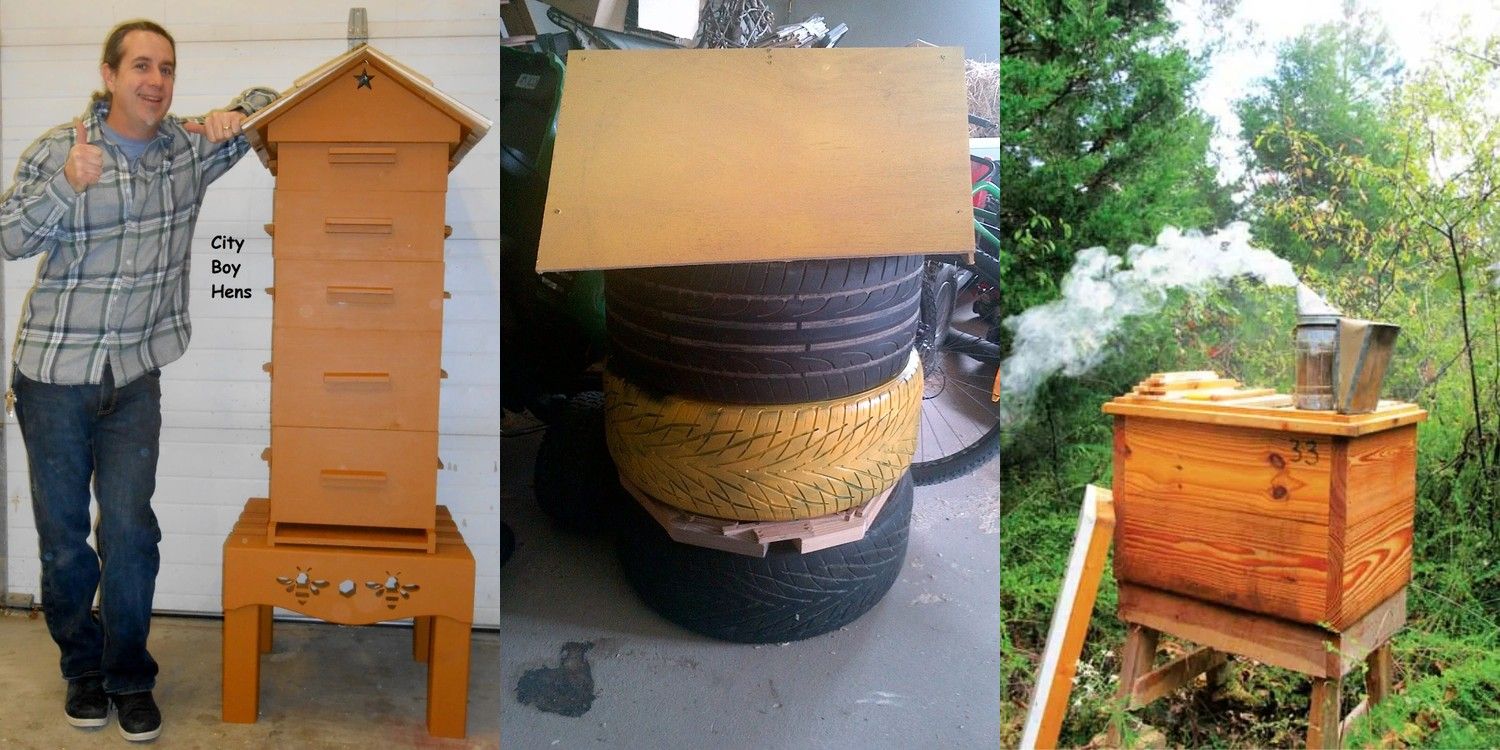
Dreaming of harvesting your own honey or supporting local pollinators? Building a beehive can be a rewarding DIY project that connects you with nature and provides delicious rewards.
Whether you’re drawn to traditional Langstroth designs, simpler top-bar hives, or even creative recycled materials, there are plenty of plans to get you started.
These projects often focus on affordability and ease of construction, making beekeeping accessible even for beginners..
Table of Contents
Build a Classic Long Langstroth Beehive
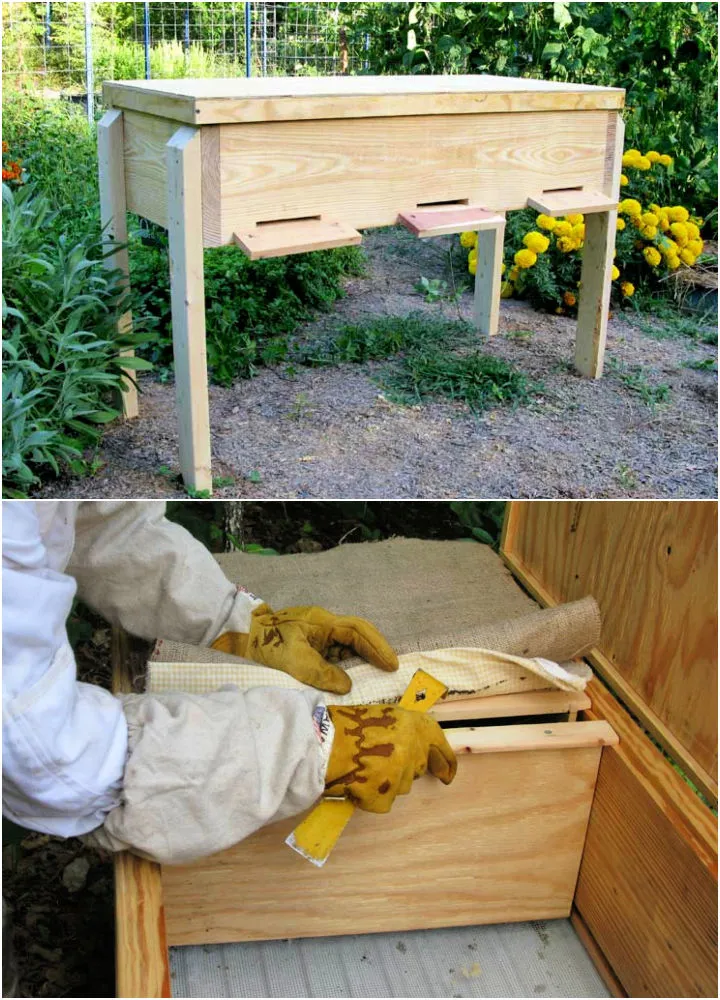
This project offers free plans for a cost-effective Long Langstroth hive, designed for easy construction and durability.
Made primarily from pine, it requires basic tools and can be completed in about two hours.
The hive boasts thick walls for insulation and ample space for frames, making it a great starting point for beekeeping..
Pro Tip: Consider using exterior acrylic primer and light-colored exterior acrylic paint to protect your hive from the elements and keep it cooler in the summer.
See the full tutorial: Build a Classic Long Langstroth Beehive
Easy Layens Horizontal Hive
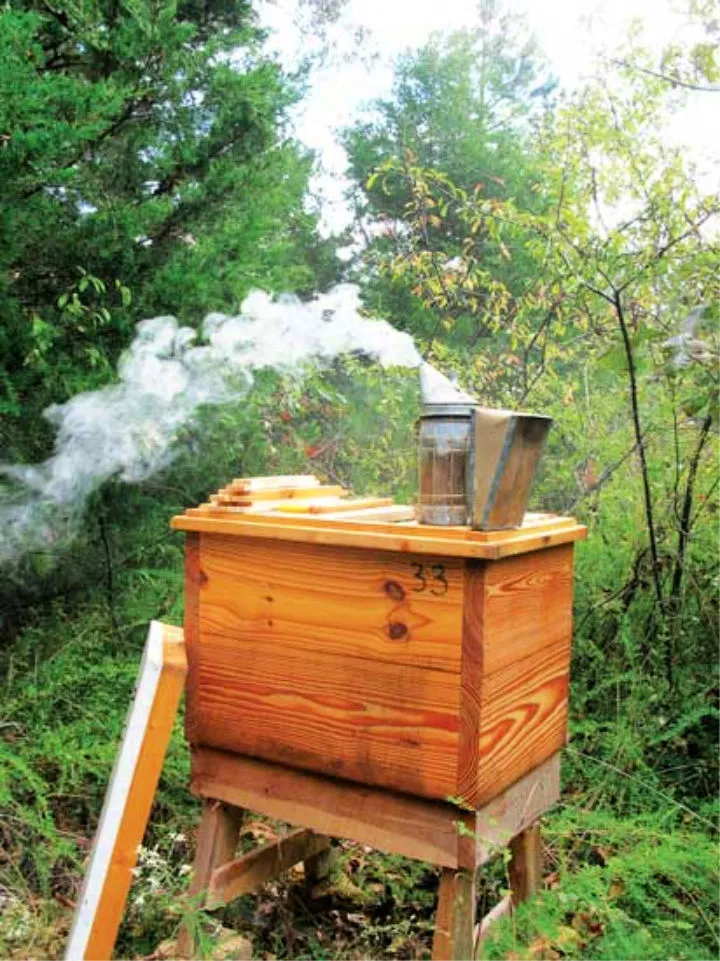
Discover how to build a Layens hive, an original horizontal design known for its excellent overwintering capabilities and rapid spring colony buildup.
With 1-1/2-inch thick walls, it offers superior insulation.
This hive accepts 14 extra-deep frames and can be lengthened for more frames if your honey flow is abundant.
Building it can be a day-long project with basic tools..
Pro Tip: If you’re new to hive building, remember that a hive is essentially a rectangular box with a cover, achievable with simple tools like a handsaw and hammer.
See the full tutorial: Easy Layens Horizontal Hive
DIY Top Bar Bee Hive from Pallets
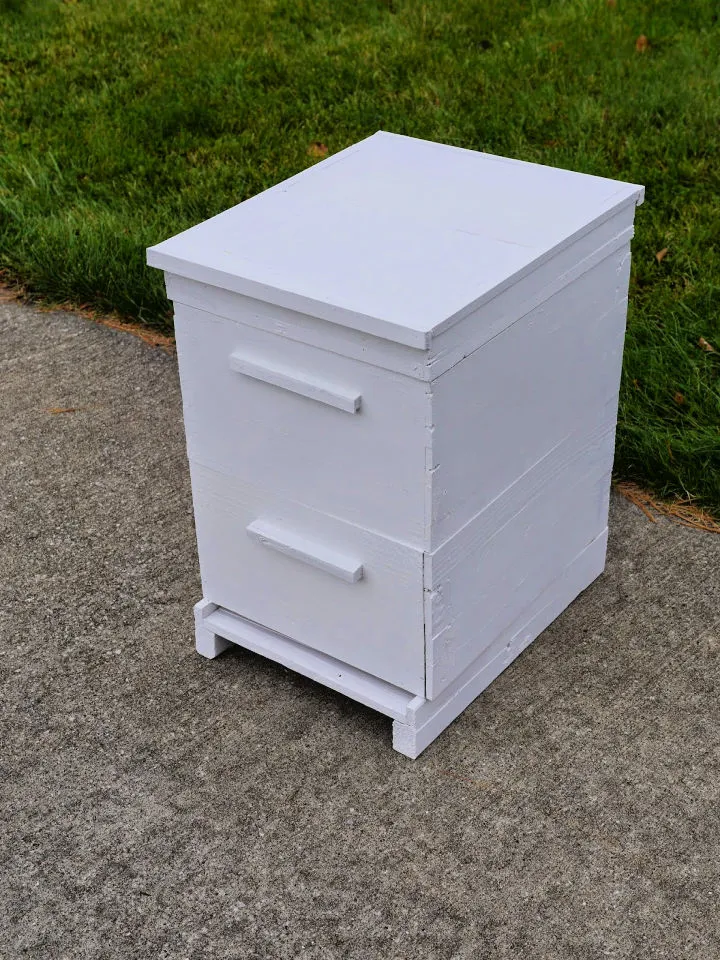
Repurpose old wooden skids into a functional top bar beehive.
This design simplifies the beekeeping process by using a top bar instead of complex frames, allowing bees to build their own comb naturally.
It’s an easy-to-make and manage option that eliminates the need for an expensive honey extractor, as the entire comb can be melted down..
Pro Tip: When building top bars, ensure correct spacing – about 3/8 inch apart – to create the essential ‘bee space’ where bees won’t build comb or seal it up.
See the full tutorial: DIY Top Bar Bee Hive from Pallets
Construct a “Honey Cow” Top Bar Hive from a Plastic Barrel
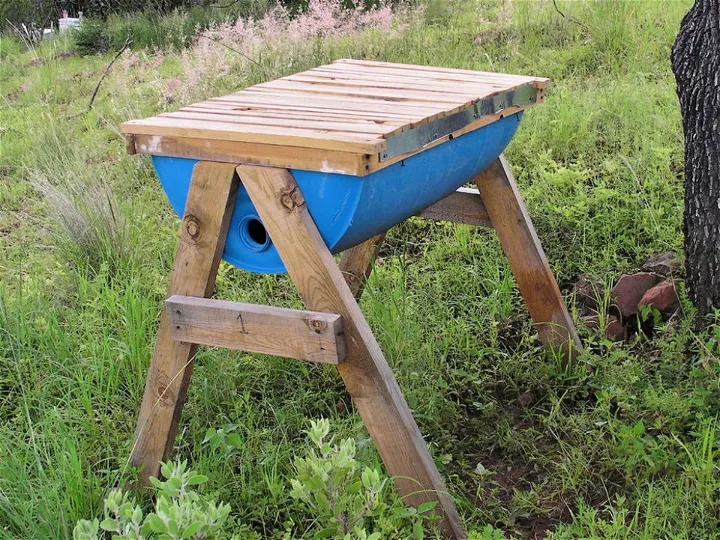
This unique DIY project transforms a 55-gallon plastic barrel into a simple and affordable “Honey Cow” top bar hive.
Designed to mimic natural bee dwellings, it uses top bars instead of frames, making it less intrusive and easier to manage, especially for beginners.
The plan includes instructions for creating the hive body, legs, top bars, and a protective roof..
Pro Tip: Rubbing the inside of the plastic barrel with beeswax or a drop of lemongrass oil can help remove any residual smells and make it more inviting for your bee colony.
See the full tutorial: Construct a “Honey Cow” Top Bar Hive from a Plastic Barrel
Build a Simple Wooden Beehive
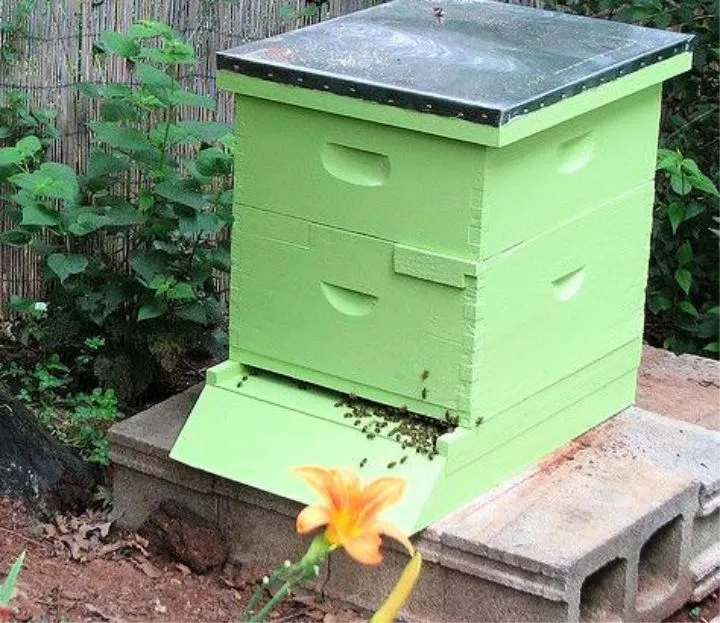
This guide provides straightforward instructions for building a wooden beehive that’s smaller than conventional ones, requiring fewer resources.
Costing around $50 and taking about two hours, it’s an economical and quick project.
You’ll learn how to cut the wood pieces and assemble a basic box, floor, and roof for your hive..
Pro Tip: When assembling the hive box, double-check the inner measurements frequently to ensure they are consistent and correct for your hive components.
See the full tutorial: Build a Simple Wooden Beehive
DIY Bee House for Solitary Bees
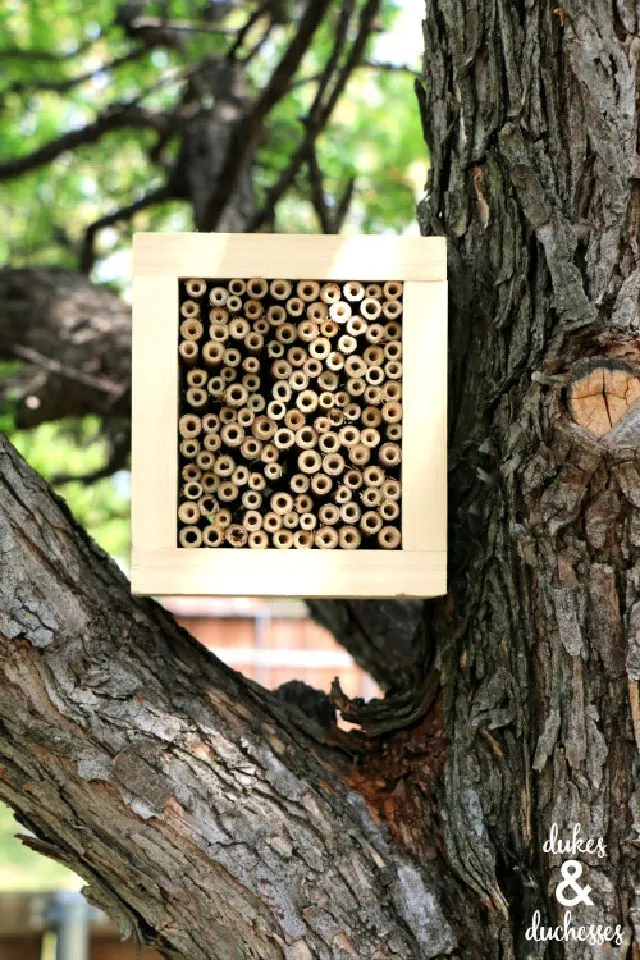
Create a charming habitat for solitary bees with this simple DIY bee house.
Using basic lumber like a 1×6 board and readily available bamboo stakes, you can construct a cozy nesting spot.
This project is perfect for attracting mason bees and other solitary pollinators, offering them tunnels to nest in.
It’s a wonderful way to support local bee populations and add a delightful touch to your garden..
Pro Tip: Place your bee house in a sunny spot, ideally facing south or east, to attract bees more effectively.
See the full tutorial: DIY Bee House for Solitary Bees
Build Your Own Top-Bar Hive
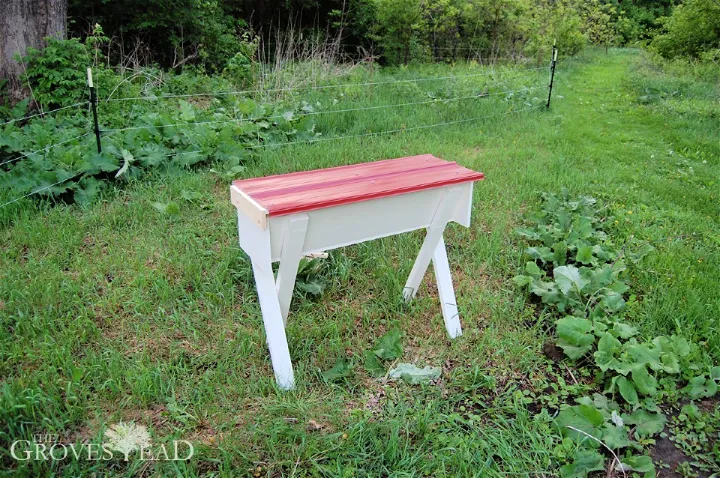
Explore the world of beekeeping with a hands-on approach by building a top-bar hive.
This style of hive is known for its simplicity, often being less invasive for the bees and easier to build from scratch.
Using pine boards and creating individual top bars, you can construct a functional hive for less than the cost of commercial options.
It’s a rewarding project that gives you direct insight into a bee colony’s life..
Pro Tip: Consider adding triangular corner molding to your top bars to provide a natural starting point for the bees’ comb.
See the full tutorial: Build Your Own Top-Bar Hive
Plywood Honey Bee Swarm Bait Hive
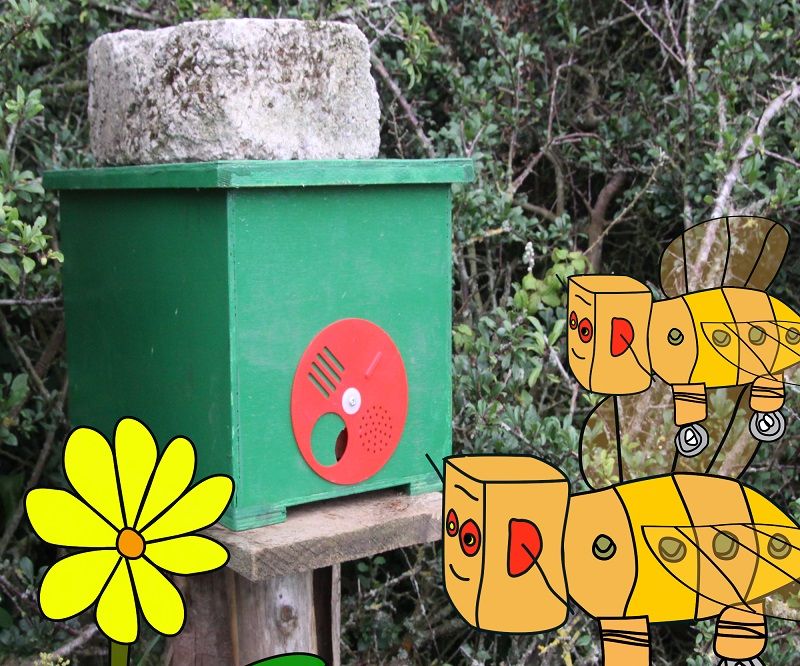
This lightweight plywood hive is designed specifically for catching honey bee swarms, making it an ideal project for those looking to expand their apiary naturally.
Its simple construction allows for portability and easy placement in areas where swarms might be found.
It’s also versatile enough to be used as a nucleus (starter) hive, offering a practical solution for both swarm capture and establishing new colonies..
Pro Tip: Lightly scenting the inside with lemongrass oil can help attract scout bees looking for a new home.
See the full tutorial: Plywood Honey Bee Swarm Bait Hive
Simple Skids to Top-Bar Hive Conversion
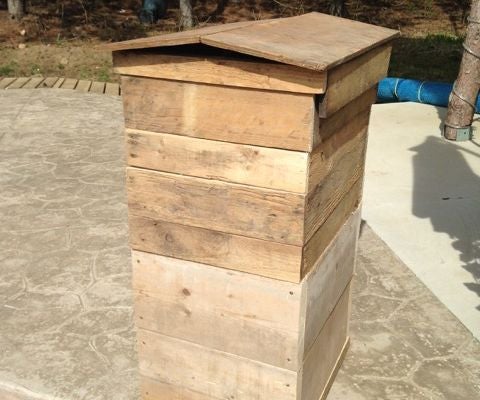
Give old wooden skids a new life by transforming them into a functional top-bar beehive.
This eco-friendly approach uses reclaimed materials to create a basic, effective hive.
The top-bar style means you only need to create bars that rest across the top, making it an accessible project for beginners.
It’s a great way to practice sustainable crafting while supporting pollinators..
Pro Tip: Ensure the wood is untreated and safe for bees, especially if using salvaged materials.
See the full tutorial: Simple Skids to Top-Bar Hive Conversion
Building a Langstroth Hive
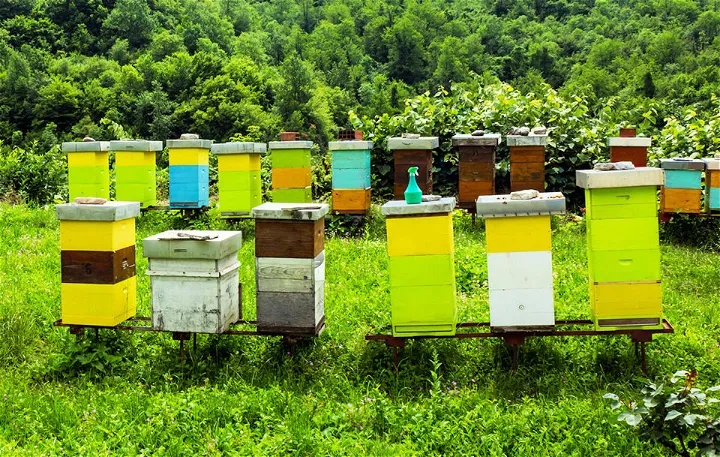
Dive into traditional beekeeping with plans for a Langstroth hive, a widely recognized and effective design.
These plans guide you through constructing the essential components, including supers, inner covers, and bottom boards, often using standard lumber sizes like 1x12s and plywood.
While a bit more involved, building your own Langstroth hive can be cost-effective and deeply satisfying for the dedicated beekeeper..
Pro Tip: Painting the exterior of the hive with a light-colored, VOC-free paint can help regulate temperature and protect the wood.
See the full tutorial: Building a Langstroth Hive
Bee Hive in a Bucket DIY
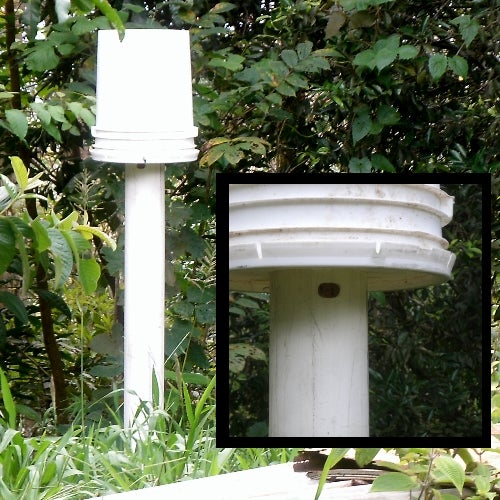
This charmingly unconventional DIY project transforms a simple bucket and PVC pipe into a cozy home for bees.
It’s an experimental approach focused on providing a safe haven rather than honey production.
Imagine a unique, elevated dwelling for your bee buddies, offering them shelter and a sense of security, all while being a conversation starter in your garden..
Pro Tip: Consider painting the bucket white to help reflect sunlight and keep the interior cooler during hot weather.
See the full tutorial: Bee Hive in a Bucket DIY
Simple Top Bar Hive Plans
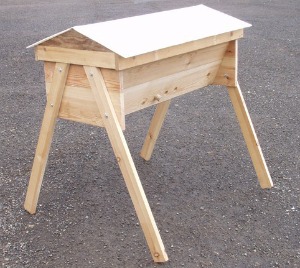
Embrace the principles of natural beekeeping with these straightforward top bar hive plans.
Perfect for using up wood scraps, this project focuses on creating an environment that mimics a bee colony’s natural living space.
It’s a budget-friendly and eco-conscious way to house bees, offering a gentler approach to beekeeping that prioritizes the well-being of the colony..
Pro Tip: When selecting wood, opt for untreated, natural materials to avoid any harmful chemicals that could affect the bees.
See the full tutorial: Simple Top Bar Hive Plans
DIY Warre Beehive
Inspired by Abbé Émile Warré’s ‘People’s Hive,’ these plans offer a fantastic way to build a hive that is designed to be more bee-centric.
Whether you prefer metric or imperial measurements, these guides provide clear steps for constructing a hive that is both functional and harmonious with a bee colony’s natural behaviors.
It’s a great way to get a sturdy, effective hive with a bit of woodworking flair..
Pro Tip: Consider adding a quilt box on top for better insulation and moisture management, mimicking natural hive structures.
See the full tutorial: DIY Warre Beehive
Build Your Own Beehive from Tires
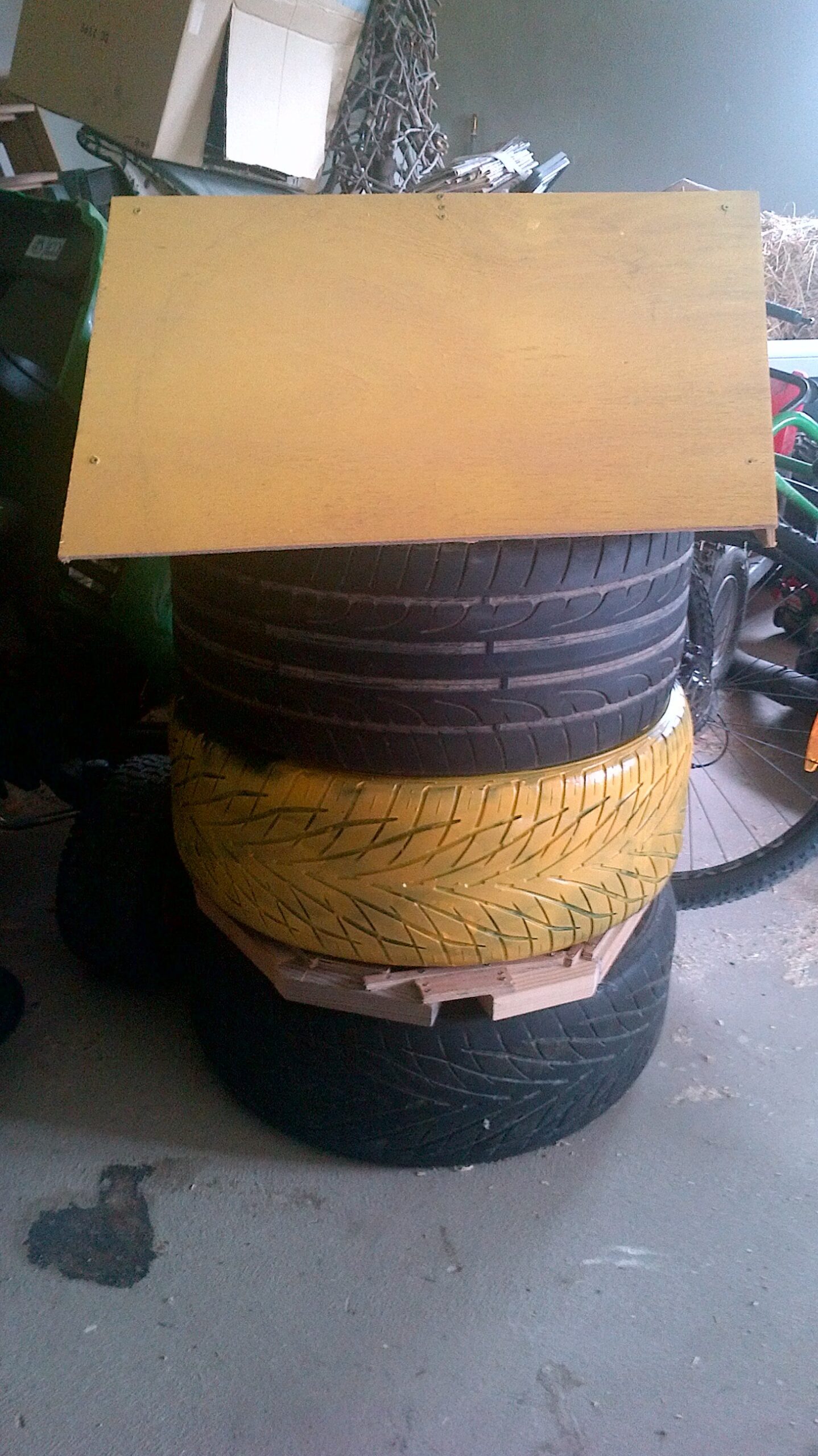
Give old tires new life with this creative upcycling project that builds a functional beehive! This ingenious design uses stacked tires, wood, and hay for insulation, creating a durable and unconventional home for your bees.
It’s a wonderfully resourceful way to start beekeeping while keeping materials out of the landfill..
Pro Tip: Ensure there’s good ventilation, perhaps by drilling small holes under the top bars, to prevent excess moisture buildup.
See the full tutorial: Build Your Own Beehive from Tires
55-Gallon Top Bar Barrel Bee Hive
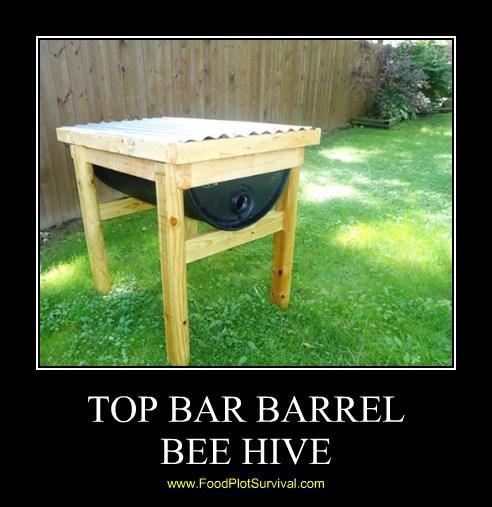
Repurpose a 55-gallon drum into a sturdy and spacious top bar beehive with this comprehensive guide.
This project involves cutting the barrel, building a supportive frame, and crafting top bars, resulting in a robust hive that’s built to last.
It’s an excellent option for those who want a larger, more permanent structure for their apiary..
Pro Tip: The barrel’s plastic material is naturally weather-resistant, but painting it a lighter color can help reduce heat absorption in direct sunlight.
See the full tutorial: 55-Gallon Top Bar Barrel Bee Hive
National Bee Hive Plans
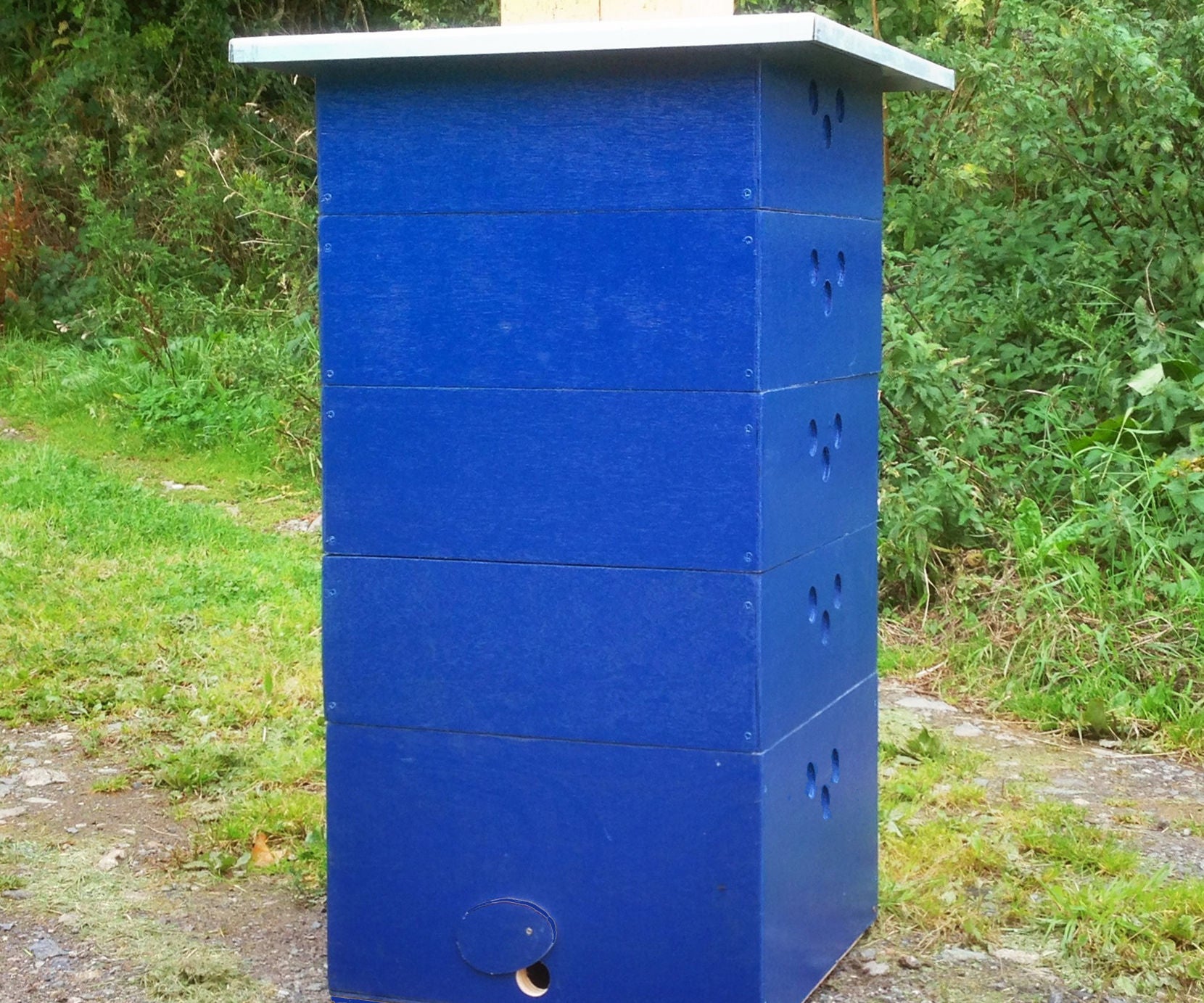
If you’re looking for a more traditional beekeeping setup, these plans guide you through building a ‘National’ design beehive.
While considered a common design, these plans offer insights into efficient fabrication, allowing you to create a cost-effective hive using basic skills and tools.
It’s a reliable structure for housing bees that many beekeepers are familiar with..
Pro Tip: Consider using plywood for its affordability and ease of use, ensuring all edges are well-sealed to protect against moisture.
See the full tutorial: National Bee Hive Plans
Simple Warre Beehive Construction
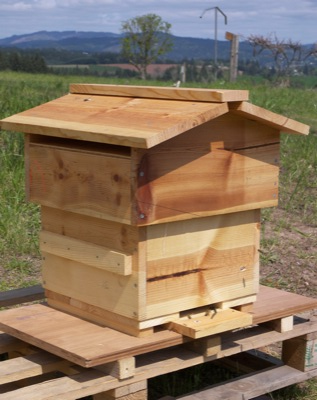
This guide offers plans for building a Warre beehive, known for its simplicity and ease of use, making it ideal for beginners or urban beekeepers.
These hives are smaller than typical Langstroth hives, requiring fewer resources and less energy.
The project is a great weekend DIY, with materials costing around $50-$75, and the resulting hive is straightforward to manage..
Pro Tip: Consider using untreated wood for the hive to ensure it’s safe and natural for your bees.
See the full tutorial: Simple Warre Beehive Construction
Building a Langstroth Honey Bee Hive
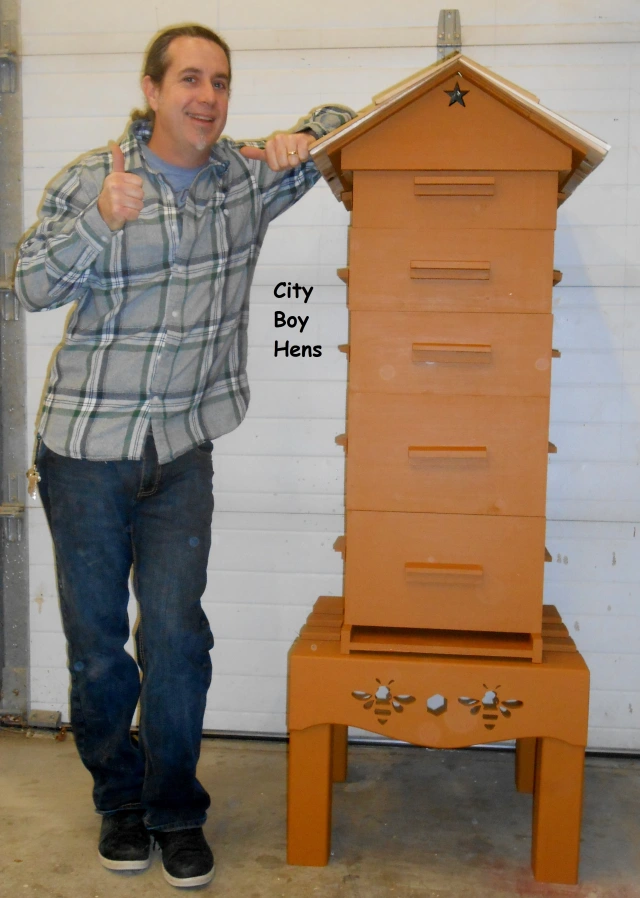
If you’re drawn to the classic Langstroth hive design, this post breaks down how to build one from scratch.
It details a slightly modified version using rabbet joints and screws for easier assembly, making it more accessible for hobbyist woodworkers.
The project highlights cost savings compared to purchasing a hive and emphasizes safety when working with tools..
Pro Tip: Be sure to pre-drill holes before screwing pieces together to prevent the wood from splitting, especially at the ends.
See the full tutorial: Building a Langstroth Honey Bee Hive
Budget-Friendly Top-Bar Beehive
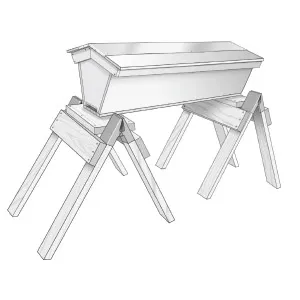
This guide offers a straightforward approach to building a top-bar hive, perfect for those on a budget or who prefer a simpler beekeeping experience.
The design is adaptable, allowing for optional features like viewing windows.
It emphasizes the natural aspect of the hive, where bees build comb freely on the provided top bars, making management less intrusive..
Pro Tip: Consider adding viewing windows with doors to observe your colony’s activity without disturbing them, while also providing insulation.
See the full tutorial: Budget-Friendly Top-Bar Beehive
DIY ‘Honey Cow’ Top Bar Bee Hive
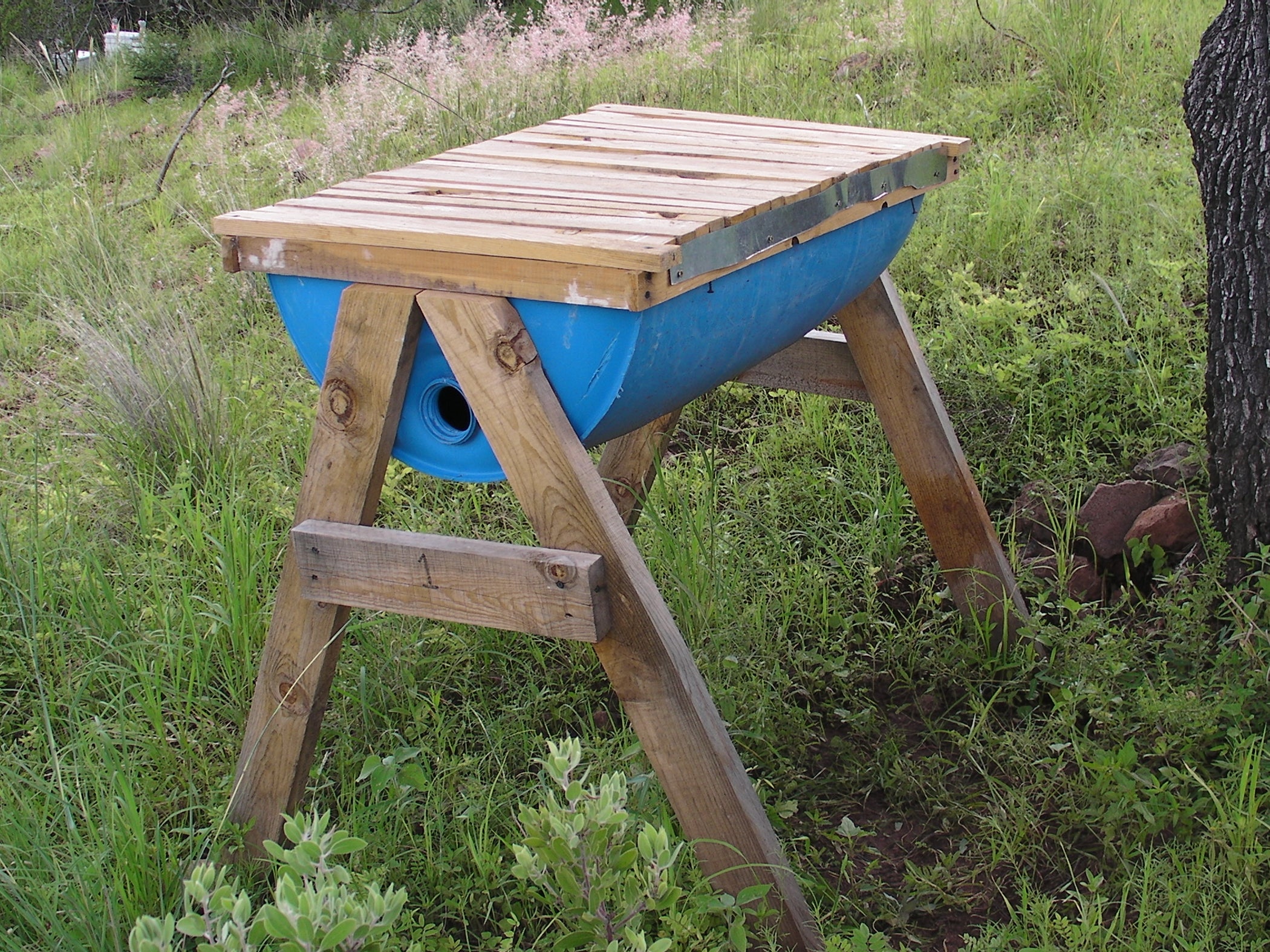
Discover how to build a unique and eco-friendly ‘Honey Cow’ beehive using a repurposed 55-gallon plastic barrel.
This design mimics a natural log hollow, allowing bees to build their combs freely on top bars without frames or foundation.
It’s an accessible and inexpensive project perfect for beginner beekeepers interested in a more natural approach to hive management..
Pro Tip: Rubbing the inside of the barrel with beeswax can help mask any residual smells and make it more inviting for the bees.
See the full tutorial: DIY ‘Honey Cow’ Top Bar Bee Hive